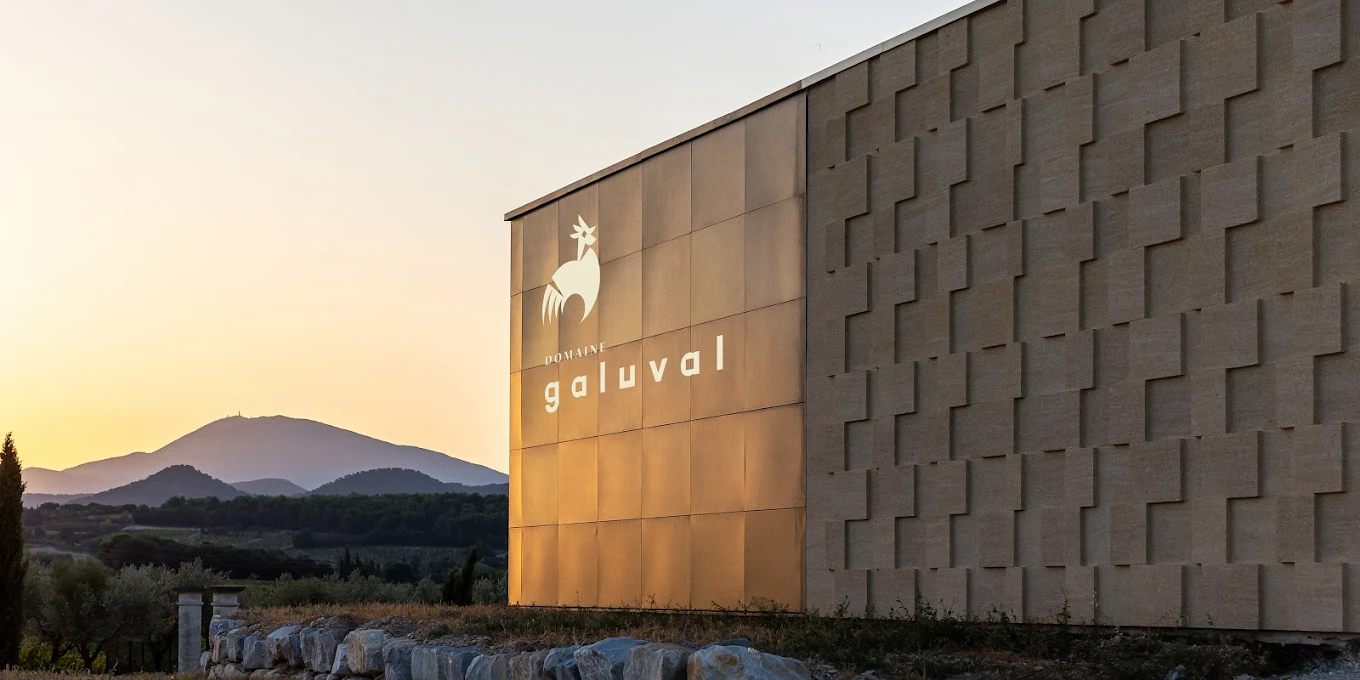
‘We’re delighted to welcome Domaine de Galuval to the Bancroft portfolio, a producer that captures the character and diversity of the Southern Rhône. We look forward to introducing these exceptional wines to our customers.’ James Snoxell, Buying Director, Bancroft...
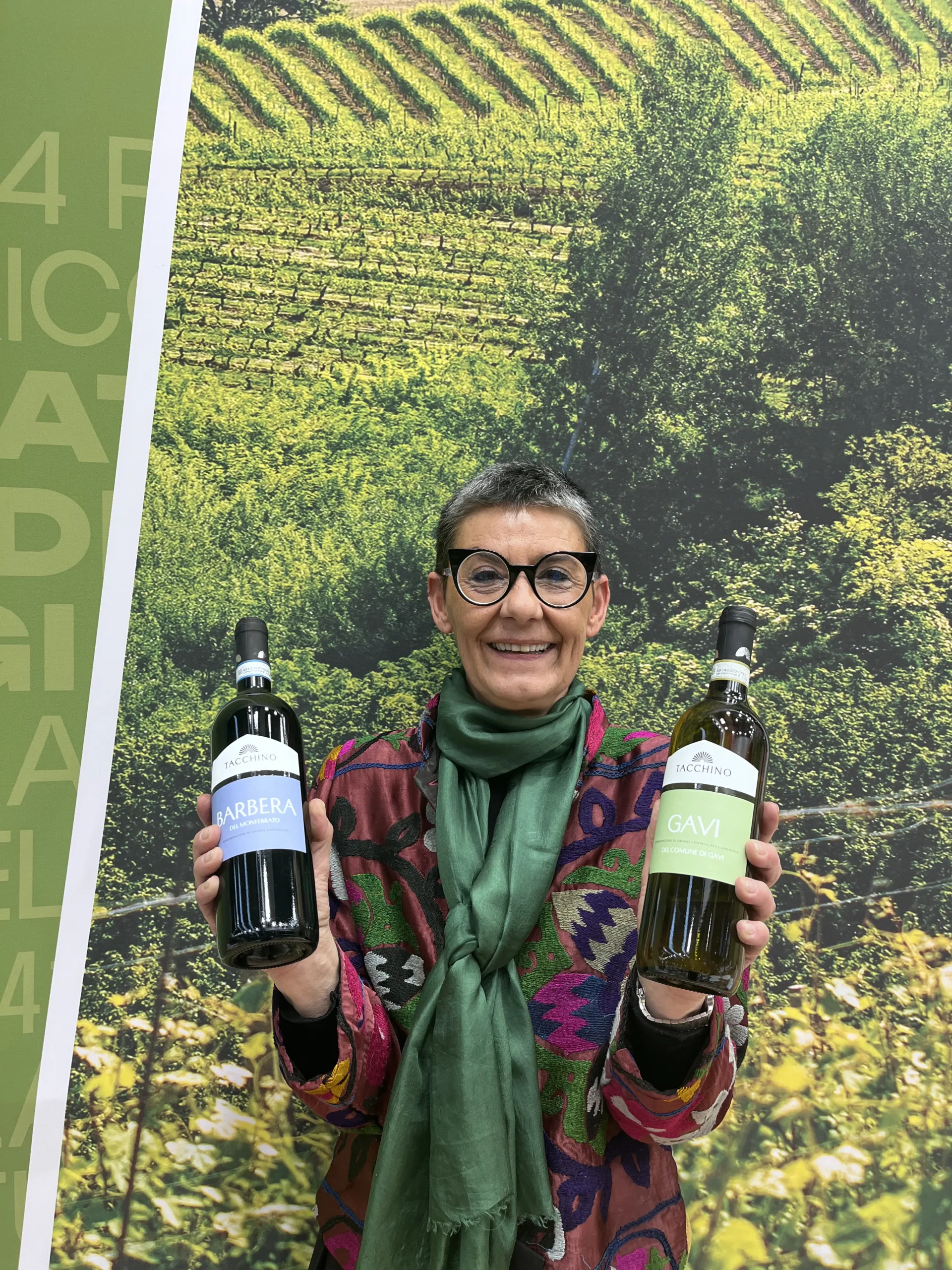
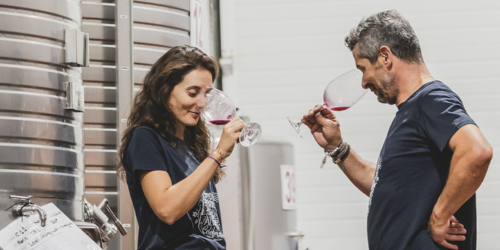
A family legacy, carved into the hills of Piedmont. For over three generations, the Tacchino family has cultivated a reputation for vibrant winemaking in the hills of Castelletto d'Orba, Piedmont. Romina’s journey as the face of the brand began roughly 25 years ago....
Tuesday 9th June 2026, 10am-5:30pm.The Royal Horticulture Society, Lindley Hall, 80 Vincent Square, SW1P 2PBOur Portfolio Tasting is back!This biennial showcase features a diverse range of classic staples, overlooked regions, and exciting new discoveries. As always,...
Bancroft Wines is proud to celebrate the 50th anniversary of the historic Judgement of Paris alongside Château Montelena, one of California’s most iconic estates. As the exclusive UK importer of Château Montelena, Bancroft is delighted to welcome Bo Barrett, CEO, and...
As the UK importer for Bodegas Luigi Bosca, we are delighted to announce that the estate has been named “2025 New World Winery of the Year” by Wine Enthusiast. This honour recognises more than 120 years of dedication, family tradition and winemaking excellence.The...
Bancroft is pleased to announce that Nutbourne Vineyards from West Sussex has joined the portfolio. Damian Carrington, Managing Director at Bancroft Wines, says: “We are delighted to be partnering with Nutbourne Vineyards, a truly special English estate in the heart...
Bancroft is pleased to announce that Quinta do Pôpa from the Douro has joined the portfolio.Quinta do Pôpa is deeply rooted in family history and Douro tradition. Francisco “Pôpa” Ferreira, the illegitimate son of a renowned wine producer, was a charismatic and...
Join us from 10.30am until 5.30pm at Great Scotland Yard Hotel, London, SW1A 2HN on 22nd September 2025 for our Autumn + Winter Edit.Our highly anticipated tasting, The Bancroft Edit will include classic crowd-pleasers, exciting curios, overlooked regions, and much...
Tony Schendel, Sales Director, says of the appointment: “Having worked alongside Stuart for several years at Louis Latour Agencies, I’m absolutely delighted to welcome him to the team at Bancroft. His deep understanding of the regional wholesale market and strong...
In Conversation with Marilou and Axel Vacheron of Le Clos du Caillou Earlier this summer, we had the pleasure of spending time with Marilou Vacheron during her visit to London for the Rhône Roots tasting. Following the event, we asked Marilou and her brother, Axel, to...
In Conversation with Isabel Estate
In Conversation with Jeremy McKenzie of Isabel Estate: Evolution in Marlborough
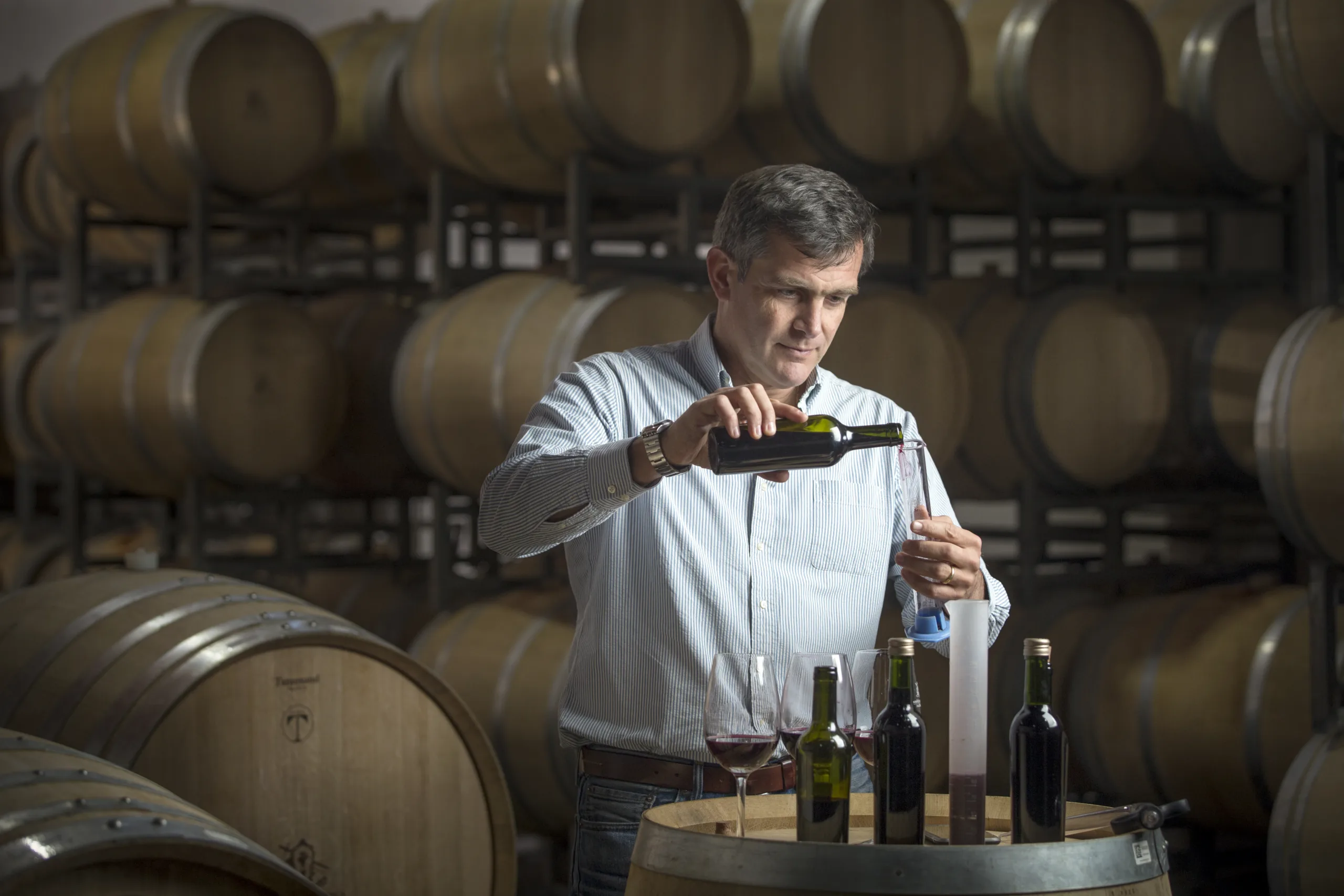
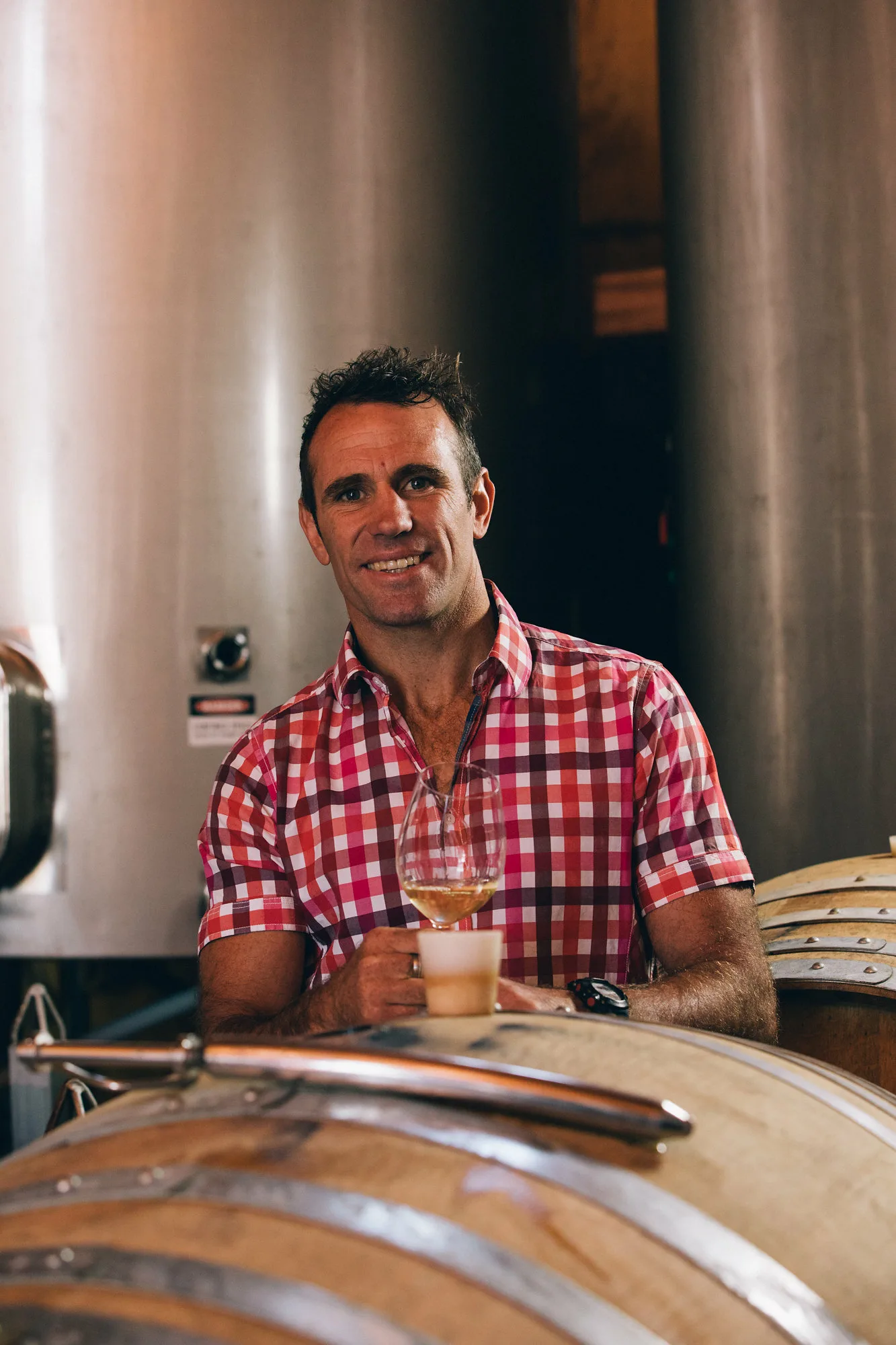
We had the pleasure of a week’s visit with Jeremy McKenzie, winemaker at Isabel Estate. Across these five days, Jeremy reconnected with key trade partners and members of the press before taking centre stage at the New Zealand Winegrowers Trade Tastings in both London and Edinburgh, where he presented the full Isabel Estate portfolio. Alongside these flagship events, the programme included targeted on- and off-trade activity, allowing for deeper, more focused engagement across the market. The visit not only strengthened longstanding trade relationships and elevated brand visibility, but also underscored Jeremy’s hands-on approach and personal commitment to the UK — one of Isabel Estate’s most important markets. See below, for his musings on what he’s learned from working across the wine world, Marlborough’s evolution and the practicality of choosing sustainability in winemaking.
What first drew you to wine, and was there a particular moment or bottle that set you on this path?
I grew up on a farm in North Canterbury, so I’ve always been land-based and drawn to tangible, hands-on products. I liked knowing where things came from and how they were made. I was always pretty good at science, and as an older teenager I was already brewing beer, which probably says a lot in hindsight. But if there was a true lightbulb moment, it would have been a 1990 Dom Pérignon Magnum at a party in Dublin. That was pretty amazing and definitely one of those “hang on… wine can do this?” moments.
You’ve worked across the US, Australia and Canada—what lessons from those regions still shape how you approach winemaking today?
I’ve spent a lot of time working in and exploring France as well, particularly around Pinot Noir and Chardonnay, and that’s probably had the biggest influence. The greatest learnings for me have been about restraint: gentle, thoughtful winemaking and always starting with the best fruit you possibly can. Everything flows from that.
How have you seen Marlborough evolve over the last decade, both stylistically and in terms of how it’s perceived internationally? Are there changes that excite you—and any that concern you?
Chardonnay has been a huge positive — the quality coming out of Marlborough now is fantastic. Pinot Noir is also really exciting, especially where it’s planted in the right soils and microclimates. Sauvignon Blanc is evolving too, with sub-regional expressions, older vine material and more thoughtful use of older oak showing a much broader picture of the region. Looking ahead, Albariño and Syrah could well be wines of the future here, which is exciting.
What makes the Isabel Estate site distinctive within Marlborough, and how does that translate into the glass?
It’s a cool site sitting within a warmer valley, which gives us a great balance. Add to that the soils, close planting and vine age, and you’ve got a site that naturally produces wines with tension, depth and balance — without needing to force anything in the winery.
How has your understanding of the Isabel Estate Vineyards changed since you first started working the land, and what vineyard decisions have had the biggest impact on quality?
It’s evolved in lots of ways. Converting the Pinot Noir and most of the Chardonnay back to organic farming has been huge. The compost project, soil moisture probes and inter-row cropping have all made a real difference too. You start to see the vineyard as a system rather than a collection of blocks, and quality follows.
How would you define the Isabel Estate style, and how consciously do you work to preserve that identity year after year?
The vine material is pretty special, which really helps set the scene each vintage. From there it’s about good farming practices, low cropping and clean, expressive fruit. Stylistically, it’s a modern global approach that captures the best of both Old and New World — wines with energy, balance and real cellarability.
Marlborough is of course still closely associated with Sauvignon Blanc – how do you see the region’s future beyond that single variety?
Sauvignon Blanc is a true global wine and rightly well loved, but Marlborough Chardonnay and Pinot Noir can compete with just about any New World region outside Burgundy — and they offer incredible value. Méthode Traditionnelle is another category that’s seriously underrated here and has a big future.
The Wild Barrique Chardonnay feels like a confident stylistic statement—what inspired the wine, and why was it important for Isabel Estate to make it now?
We always wanted to make a bold Chardonnay, and doing it 100% from the Mendoza (Gin Gin) clone felt like the right expression. That was really the driver. The wine will be celebrating its 10th vintage in 2026, and it’s won a trophy every year since inception. The 2022 vintage has been a real highlight — it’s had some amazing success and really validated what we set out to do.
Sustainability is increasingly central to modern winemaking—what practical steps has Isabel Estate taken in recent years, and where do you see the biggest impact?
Sustainability for us is very practical and very hands-on. From Mahi mō te Taiao — planting over 3,000 native plants along our creek systems — through to organic vineyard and winery certification with BioGro, it’s about working with the land rather than against it. Keeping everything estate grown and bottled, reducing water and energy use, composting all winery waste back into the vineyard, grazing sheep instead of mowing, solar power, electric vehicles — they all add up. The biggest impact comes from seeing healthier soils, stronger vines and a system that feels genuinely sustainable long-term.
What do you enjoy about visiting the UK market?
I love the UK market for its heritage and the depth of wine knowledge — there’s such a great mix of customers, culture and curiosity. And of course, the gastro pubs help. It’s also Isabel Estate’s oldest export market, and over the last 30-odd years we’ve built some fantastic relationships and seen a lot of genuine love for the brand, which always makes it a pleasure to visit.
Manage Cookie Consent
We use cookies to optimize our website and our service.
Functional
Always active
The technical storage or access is strictly necessary for the legitimate purpose of enabling the use of a specific service explicitly requested by the subscriber or user, or for the sole purpose of carrying out the transmission of a communication over an electronic communications network.
Preferences
The technical storage or access is necessary for the legitimate purpose of storing preferences that are not requested by the subscriber or user.
Statistics
The technical storage or access that is used exclusively for statistical purposes.The technical storage or access that is used exclusively for anonymous statistical purposes. Without a subpoena, voluntary compliance on the part of your Internet Service Provider, or additional records from a third party, information stored or retrieved for this purpose alone cannot usually be used to identify you.
Marketing
The technical storage or access is required to create user profiles to send advertising, or to track the user on a website or across several websites for similar marketing purposes.