
Castellare di Castellina
Home | Castellare di Castellina
Castellare di Castellina
CHIANTI, ITALY
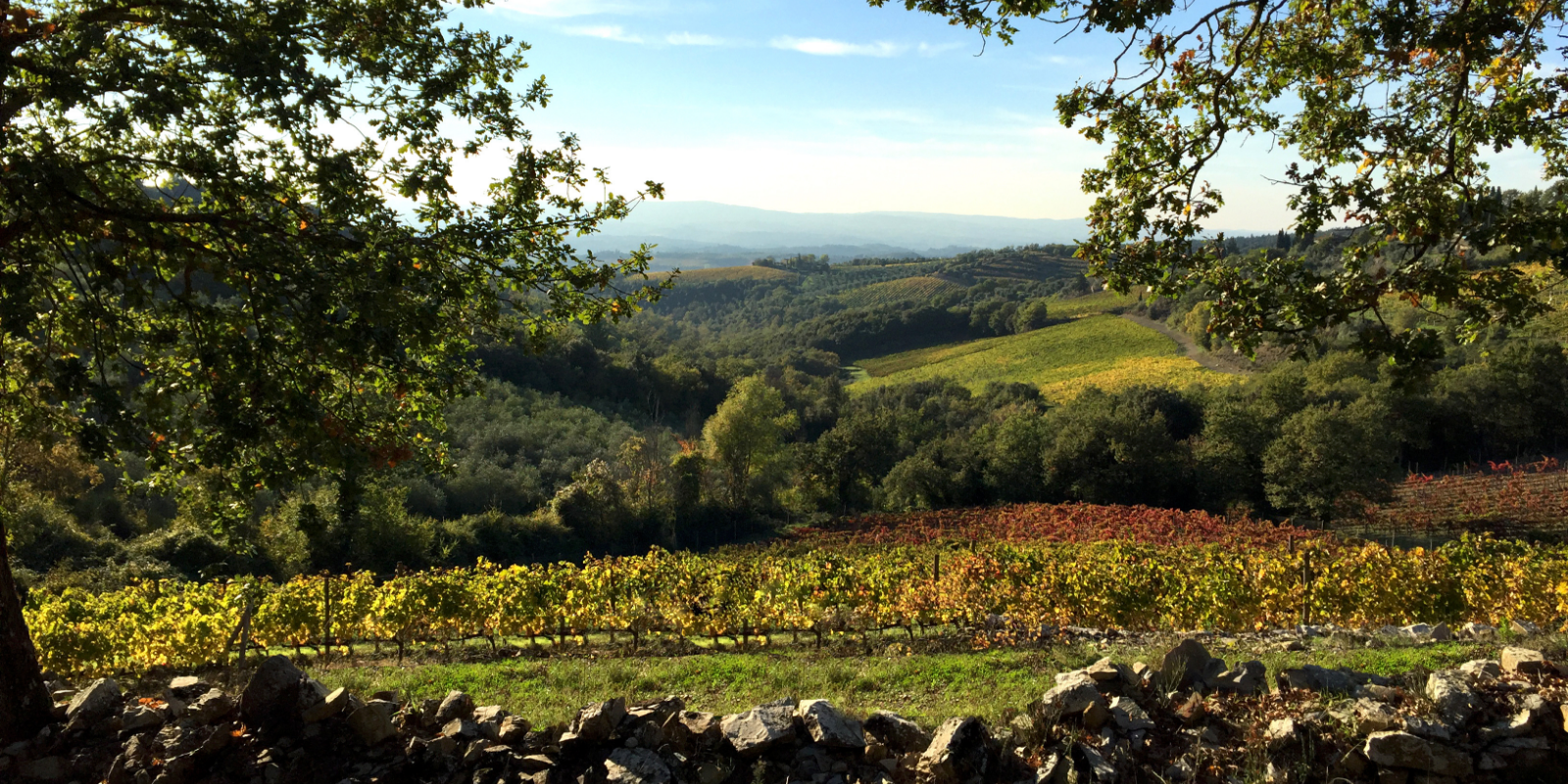
Castellare was founded in 1975 by Paolo Panerai, a journalist and entrepreneur with a deep belief in the potential of Italian native varieties. He brought together four historic estates to form what is now one of the region’s most respected producers. The estate spans 100 hectares, of which 50 are under vine, and sits in a natural amphitheatre with panoramic views over undulating hills and directly onto the I Sodi di San Niccolò vineyard — a flagship site planted in the 1970s. ‘Sodi’ refers to the hard, calcareous soil beneath the vines, the ‘galestro’, and ‘San Niccolò’ is the name of the old property. This vineyard became the source of one of the first Super Tuscans made exclusively from indigenous varieties — a blend of Sangioveto and Malvasia Nera — with the debut vintage in 1977.
At a time when international grapes dominated and most Super Tuscans favoured Cabernet or Merlot, Castellare stood apart. The turning point came in 1988 when Wine Spectator included the 1985 I Sodi in their Top 100 Wines of the Year. It was one of only two Italian wines in the top 10 — a landmark moment that affirmed the value of native varieties and helped propel Castellare onto the international stage.
Innovation is in Castellare’s DNA. Under the direction of Head Winemaker and Managing Director Alessandro Cellai — who trained under the legendary Giacomo
Visits to Castellare are memorable. If you’re not met by Alessandro, then surely you will be welcomed by his son Lorenzo — who works both at Castellare and on his father’s personal project, Podere Monastero — and by Giulio Bruni, the estate’s Export Director. Our meals added to the charm of the trip: a relaxed lunch at Sotto le Volte included cured meats, beetroot carpaccio, and beef tartare with stracciatella, while dinner at Ristorante Albergaccio di Castellina was a slower, more refined affair — full of Tuscan character and charm.
Castellare farms organically and sustainably, though without formal certification, and places great emphasis on biodiversity. Each year, their labels feature a different endangered bird species — a nod to the thriving birdlife that has returned to the area thanks to their environmentally sensitive farming. The winery uses 16 concrete vats for vinification, and ageing takes place in a mix of small and large oak casks (French and Slavonian), with the choice of vessel depending on the character of the vintage. Castellare di Castellina is a thoughtful expression of Tuscan heritage, where local traditions, scientific curiosity, and careful winemaking come together to produce wines with clarity, balance, and a strong sense of place.

The Wines
Bianco Le Ginestre
Governo di Castellare
Chianti Classico
Chianti Classico Riserva
I Sodi di San Niccolò
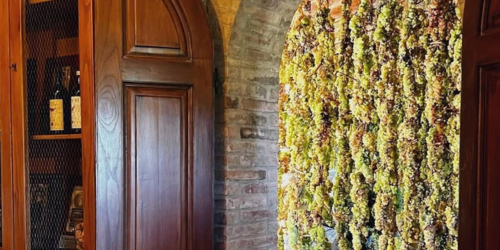
Vin Santo di San Niccolò
For vintages & availability, please contact our Customer Service Team at [email protected] or +44 (0)20 7232 5450